
McKinsey: Vulnerabilities in Global Trade Worth $4 Trillion Create New Opportunities
According to the McKinsey Global Institute, goods worth over $4 trillion depend on vulnerable supply chains.
The institute identifies the 'Achilles' heel' of global trade as goods that are simultaneously critical to the economy, dependent on a limited number of suppliers, or sourced from geopolitically distant partners. These include raw materials, components, and finished products—from oil and rare earth metals to batteries, microchips, and transformers.
The largest share of such vulnerable supplies is in electronics: 43% of its imports face at least two risks. This group includes smartphones, memory chips for artificial intelligence systems, and lithium-ion batteries. Significant dependencies also exist in the production of rare gases, marine engines, copper cables, and equipment for power grids.
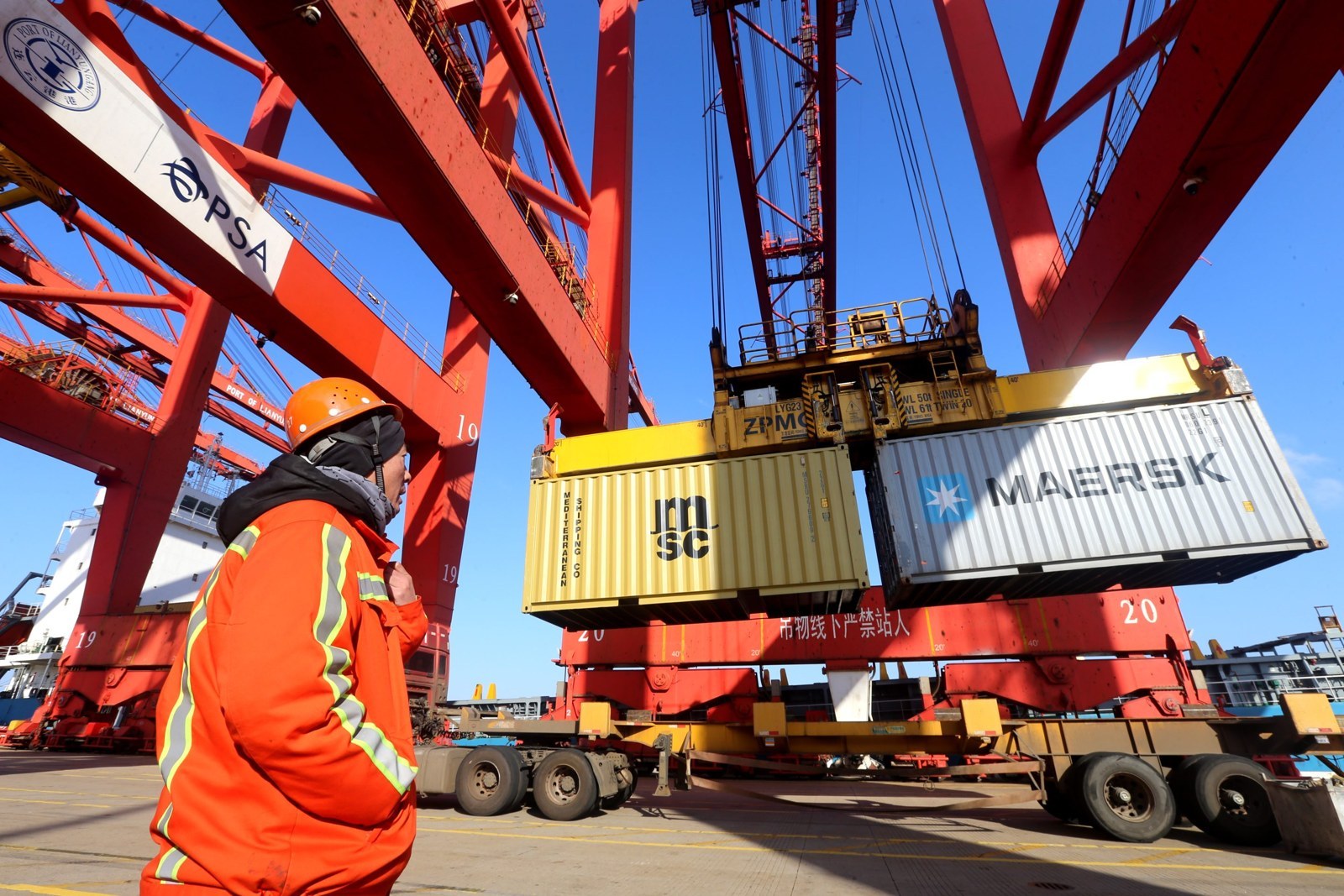
Vulnerabilities are created not only by the goods themselves but also by their delivery routes. Around 80% of maritime trade passes through at least one narrow chokepoint, and the blockade of the Suez Canal previously delayed trade flows by approximately $10 billion per day. As a result, companies are seeking alternative suppliers, consolidating procurement commitments, and using software services to monitor multi-tier supply chains.
McKinsey believes opportunities will emerge in new production capacities, equipment, logistics, financing, and insurance. Another focus area is the development of products requiring fewer scarce materials. However, resilience must be economically justified: producing advanced microchips in Germany or the U.S. costs 40–50% more than in Taiwan or mainland China. Therefore, businesses are advised to choose directions where competencies, demand, and the potential to reduce cost gaps already exist.
Read also

In France, Russian 'Google' seeks to recover €1.9 billion from Irish Google
Business11:07
Micro-, small and medium-sized businesses account for 75% of employment in Uzbekistan
Business09:33