SpaceX catches spacecraft returning from orbit for the first time
The spacecraft was caught by mechanical arms of the launch tower at the Starbase spaceport in Texas
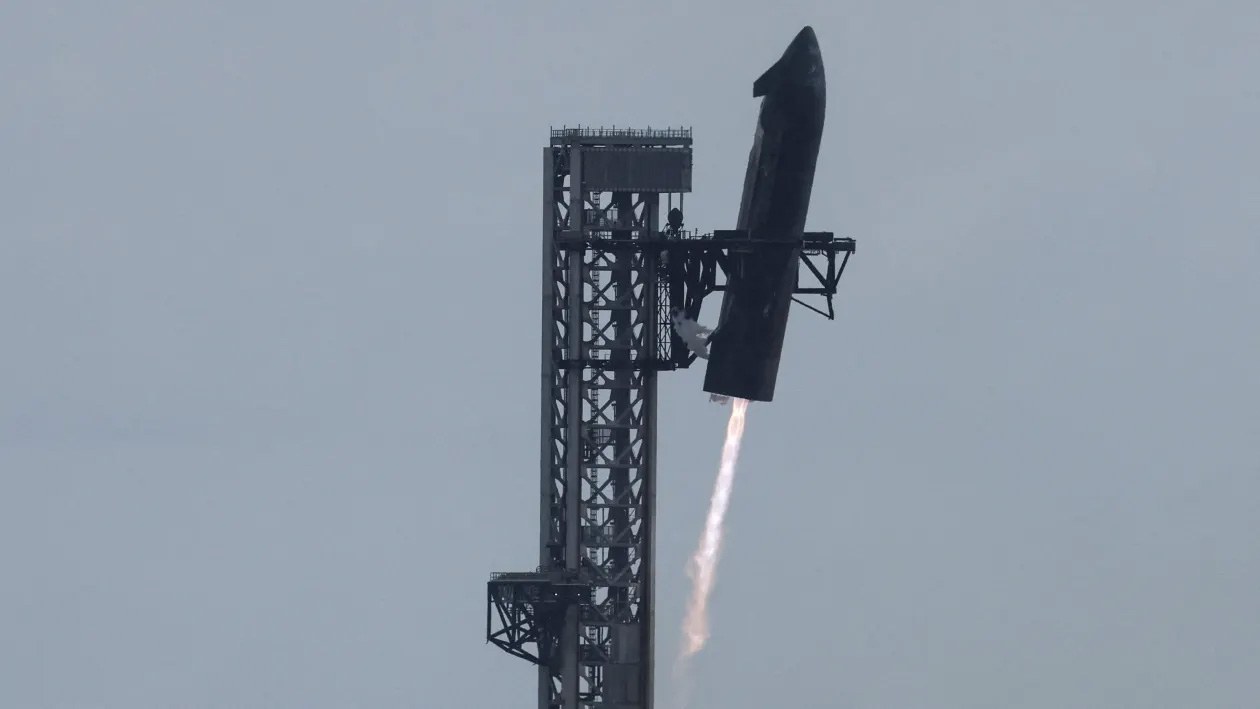
The landing on 14 November 2026 concluded the 15th test flight of Starship. The Ship 42 spacecraft spent 22.5 hours in flight before re-entering the atmosphere and descending between the arms of the Mechazilla tower. Previously, SpaceX had only managed to return Super Heavy boosters in this manner.
During the mission, Starship deployed 26 Starlink V3 satellites into orbit. Some of the satellites were used to capture images of the spacecraft’s heat shield. After analyzing the data, engineers approved the return to Starbase. Backup options included splashdown near the coasts of Chile or the Hawaiian Islands.
Initially, SpaceX planned to catch both stages of the rocket. However, the Super Heavy booster deviated from its calculated position, and the onboard automation canceled the approach to the tower, directing the booster to a backup area over the Gulf of Mexico. Approximately 6.5 minutes after liftoff, the flight termination system activated, causing the booster to explode over the water. The company is investigating the cause of the deviation.
The return of the spacecraft marks a step toward reusing both stages of Starship. Currently, during Falcon 9 launches, SpaceX recovers the booster but builds a new second stage. The company expects that rapid turnaround for Super Heavy and Starship will reduce the cost of delivering payloads to orbit. The technology is also intended for use in NASA’s Artemis lunar program and, in the future, for missions to Mars.